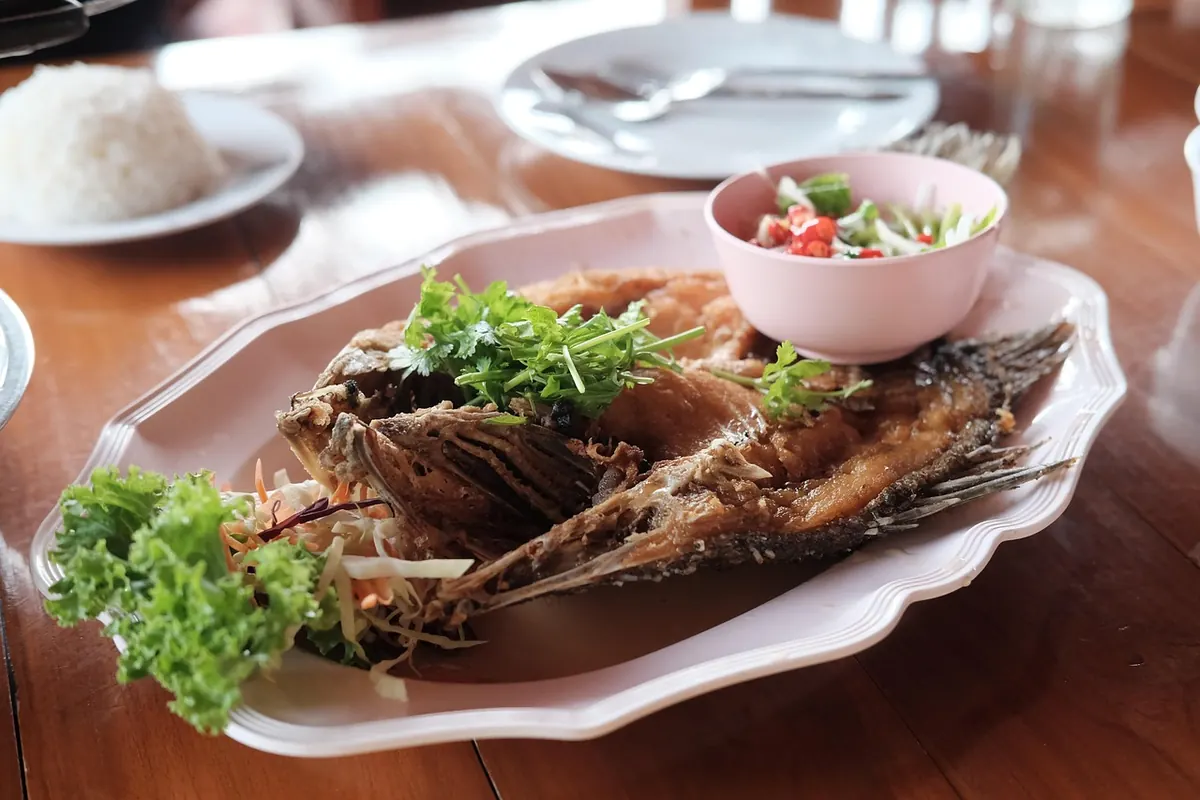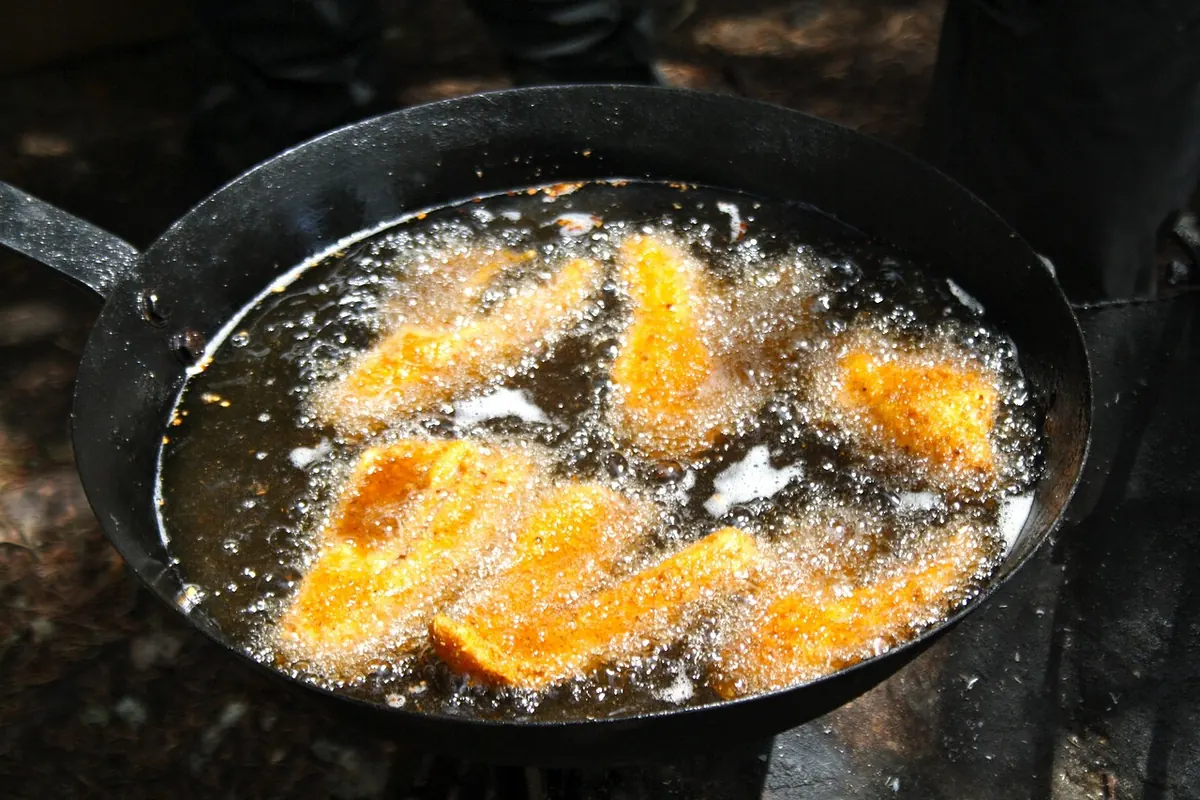
Two fillets, two bowls, one hot pan of oil. Beer batter and plain flour batter look much the same going in, but they behave completely differently once they hit the fat. One puffs and blisters into a lacy shell; the other sets into something smoother, denser and more even. Which one gives you the crunch you actually want depends on the fish, the oil temperature, and how much you care about the taste of the coating itself.
What Each Batter Is Actually Doing
A plain flour batter is flour, water or milk, salt, and often a little baking powder. It is a paste. The flour's proteins bond with the liquid and the starch sets into a solid sheet in hot oil. Nothing dramatic happens, and that is the point: you get a clean, predictable shell that lets the fish speak.
Beer batter does several things at once. Beer brings dissolved carbon dioxide from the fizz, alcohol, malt sugars and a small amount of protein. The bubbles expand in the oil and push the coating outwards. The alcohol evaporates quickly, drying the surface and speeding up browning. The sugars darken it. The finished crust is full of holes, and those holes are the whole story.
Texture: Lacy Crunch vs Clean Snap
Beer batter is brittle in the best sense. It shatters when you cut into it and leaves flakes on the plate. Because it is riddled with voids, it also holds less oil than a dense coating, so it eats lighter than it looks. Plain flour batter, mixed thin, sets into a glassy, even shell with a clean snap — closer to a good chip-shop thin batter or a simple tempura. Mixed thick, it turns doughy and chewy, which is the most common home mistake.
The catch applies to both: steam from the fish is the enemy. A perfect crust can soften within minutes if you stack fillets on a plate or cover them. Drain on a wire rack over a tray, never on a flat paper towel, and keep the pieces in a single layer.
If you want the crunch to survive the walk from kitchen to table, fry in smaller batches and let the oil come back to temperature between them. Overloaded oil drops in heat and produces greasy, pale coatings every time.
Colour and Flavour: Malt Against Neutral
Malt sugars and alcohol mean beer batter colours fast — faster than most people expect. A thin fillet at high heat can go from pale to dark gold in a very short window, so watch it rather than setting a timer and walking away.
Choosing the right beer
A lager, a pale ale or a simple bitter works well. You want something with a little malt sweetness and not much hop aggression. Heavily hopped IPAs and dark stouts are worth avoiding: bitterness that tastes good in a glass can turn harsh after frying, and roasted malts push the crust towards burnt. Flat beer makes a flat batter, so open a fresh one.
What plain batter brings
Plain flour batter is a neutral canvas, so the seasoning you add is the flavour. A pinch of cayenne, white pepper or mustard powder makes a noticeable difference. Milk instead of water gives a slightly richer crust that browns a little more readily; water keeps it pale and crisp. Either way, salt the batter and salt the fish.
The Fizz Factor
Carbonation is not decoration — it is the leavening. Handle it accordingly.
- Keep the beer cold and pour it in at the last moment, straight from the fridge.
- Whisk until just combined. Lumps are fine; overmixing develops gluten and gives you a chewy coating.
- Use beer batter straight away. Let it sit and the bubbles escape.
- Give a plain flour batter 20 to 30 minutes of rest so the flour hydrates and the gluten relaxes.
- Avoiding alcohol? Sparkling water with a small pinch of sugar or a quarter-teaspoon of baking powder will brown and bubble reasonably well.
Most of the alcohol cooks off in the fryer, but not necessarily all of it, so mention it if you are cooking for someone who avoids drink.
Which Fish Suits Which Batter
- Thick, meaty fillets: cod loin, haddock, hake, pollock and coley take well to beer batter. The fast-browning crust needs a couple of centimetres of fish underneath it.
- Thin or delicate fish: plaice, sole, whiting and small haddock tails are better in plain flour batter, which browns more slowly and will not scorch before the fish cooks.
- Small pieces: scampi, oysters, prawns and onion rings sit happily in a thin plain batter.
- Always: skin off, surface patted bone dry, and a light dusting of flour before dipping so the batter grips.
- Frozen fish: thaw it fully and dry it thoroughly. Wet fish equals sliding batter and soggy patches.
A Method That Works for Either Batter
- Dry the fillets, season them, and dust lightly with plain flour or cornflour.
- Mix the batter fresh and keep it cold. Aim for double cream consistency — it should coat the back of a spoon and drip slowly.
- Heat clean oil to around 180–190C. Use a neutral, high-smoke-point oil such as rapeseed or sunflower.
- Dip one piece at a time, let the excess run off, then lower it away from you and hold it briefly so the coating sets before you release it.
- Fry in small batches for roughly four to six minutes, depending on thickness, turning once.
- Lift out, drain on a rack, and salt immediately. Serve with chips, vinegar and lemon.
The Decision, Made Simple
Choose beer batter when you want maximum crunch and a darker, slightly malty crust, and when you are frying thick fillets of cod, haddock or pollock. Choose plain flour batter when you want a paler, more even shell, a cleaner taste of the fish itself, or you are frying something thin and delicate that would burn under a fast-browning coating.
Both reward the same habits: dry fish, cold batter, hot oil, small batches and a wire rack at the end. Get those right and the difference between the two becomes a preference rather than a problem. If you are cooking gluten-free, swap in a certified gluten-free flour blend and check that your baking powder is gluten-free too — the method stays the same.
Photo: scottgardner / Pixabay