The smell reaches you two doors down the street: hot fat, vinegar, salt. For most people that's a simple pleasure. If you're avoiding gluten, or ordering for someone who has to, the same smell arrives with a question attached. Can I actually eat here?
Often, yes. But it rarely happens by accident. Gluten-free fish and chips depend far less on the fish than on the fryer, the batter and the routine of whoever is working the range that evening. Work those out before you queue, and you can order with confidence instead of hope.
Start With the Fryer, Not the Menu
A shop can advertise "gluten-free batter" and still hand you something you'd rather not eat. Batter is only half the story. A rice-flour batter dropped into the same oil as a dozen battered cod is a batter sharing a bath with wheat flour, and hot oil does not reliably clean it up. Batter debris, flour dust and crumbs stay in the oil, on the basket and on the tongs.
So the fryer matters as much as the recipe. A dedicated fryer is ideal. A dedicated basket in a shared fryer is better than nothing but still a compromise, because the oil itself is shared. Many shops run chips in one fryer and battered items in another, which is a good sign, but you need to hear them say it rather than assume it.
The Questions Worth Asking
Ring the shop at a quiet time, mid-afternoon rather than the Friday rush, and ask these directly. You'll learn more in three minutes than from any menu.
- What's in the batter? Gluten-free batters are usually built on rice flour, cornflour, potato starch or chickpea flour. Ask whether it's mixed in-house or bought in, and whether it's kept in a separate tub with a separate scoop.
- Which fryer does it go in, and what else goes in that fryer? Listen for the word "dedicated". If the answer is "the same one, but we do it first", note that the oil is still shared.
- Is the fish floured before it's battered? Some kitchens dust fillets in seasoned flour before the batter goes on. That dusting is often wheat.
- How are the chips cooked? Plain potatoes in clean oil are naturally gluten-free. Chips cooked in the same fryer as battered fish are not. A few shops dust or batter their chips, so ask.
- What about tongs, baskets, boards and gloves? A fresh pair of gloves, a clean basket and clean tongs cost the shop nothing and tell you plenty about how they think.
- What's in the sauces? Gravy, curry sauce and mushy peas are worth checking, as is the vinegar on the counter.
Cross-Contamination: The Boring Details That Decide It
Nobody enjoys this part, but it's where the answer lives. Flour travels. It sits in the air near the batter bowl, settles on surfaces and rides on hands. A gluten-free fillet left in the hot hold next to battered sausage is only as safe as the tray it sits on. The same goes for the wrapping paper, the bag and the counter where your order is assembled.
Ask whether gluten-free orders are prepared away from the main batter station, and whether they're wrapped and bagged separately. If the shop has a written process, they'll usually be pleased to describe it. If the reply is a shrug and "it'll be fine", believe the shrug.
Reading Menus and Reviews Like a Skeptic
Vague wording is the tell. "Gluten-free options available" means almost nothing. "Cooked in a dedicated gluten-free fryer" is a claim you can test with a phone call. Local coeliac groups, allergy forums and review sites are useful here, because people with a real stake in the answer tend to be specific about what they were told and what they got.
Keep in mind that kitchens change. Staff move on, oil suppliers change, a shop that was careful two years ago may have new management. What was true last summer is worth re-checking this Friday.
Things That Trip People Up
- Malt vinegar. It's normally brewed from barley, so ask for distilled or spirit vinegar instead, or bring your own sachets.
- Gravy and curry sauce. Both are often thickened with wheat flour. Ask, or skip.
- The extras. Battered sausage, onion rings, scampi, pineapple fritters and anything else that meets the batter is off the table unless it's made with the gluten-free mix in the dedicated fryer.
- Mushy peas, pickled eggs and pickled onions. Usually fine, but worth a quick question if a sauce or brine is involved.
- Scraps and batter bits. The little crunchy pieces scattered over chips come from the regular batter.
- "No gluten ingredients" is not the same as "gluten-free". The first describes a recipe; the second describes a process.
Ordering at the Counter Without a Lecture
Be clear, be brief, be friendly. Something like: "I need the gluten-free batter, please. Can it go in the separate fryer with clean tongs and fresh gloves? And could it be bagged on its own?" That's four sentences, no apology needed, and it gives the person serving you a straightforward job to do.
Timing helps. A quiet Tuesday at five is a far better moment to ask for a dedicated fryer than a Friday at seven with a queue out the door. If you're ordering for someone who reacts to traces, say so plainly, and treat that as information rather than a fuss.
And if the answers come back muddled or defensive, don't argue. Thank them, leave, and spend your money somewhere that knows its own kitchen. There's no shame in walking out of a chip shop. There's a fair bit of regret in eating the wrong tea.
A Quick Checklist Before You Order
Run through this in the queue, or better, on the phone beforehand.
- Dedicated fryer or dedicated basket, and you know which.
- Gluten-free batter stored, mixed and scooped separately.
- Clean tongs, clean basket, fresh gloves.
- Chips from a fryer that hasn't seen batter, with no dusting or coating.
- Sauces and vinegar checked; extras left off.
- Wrapped and bagged away from the main prep area.
Two or three shops near you that pass those tests are worth more than a long list of maybes. Find them, get to know the staff, and Friday nights look after themselves again.
If you have coeliac disease or a wheat allergy, how much risk is acceptable is a conversation for you and your doctor or dietitian, not for the person behind the counter.
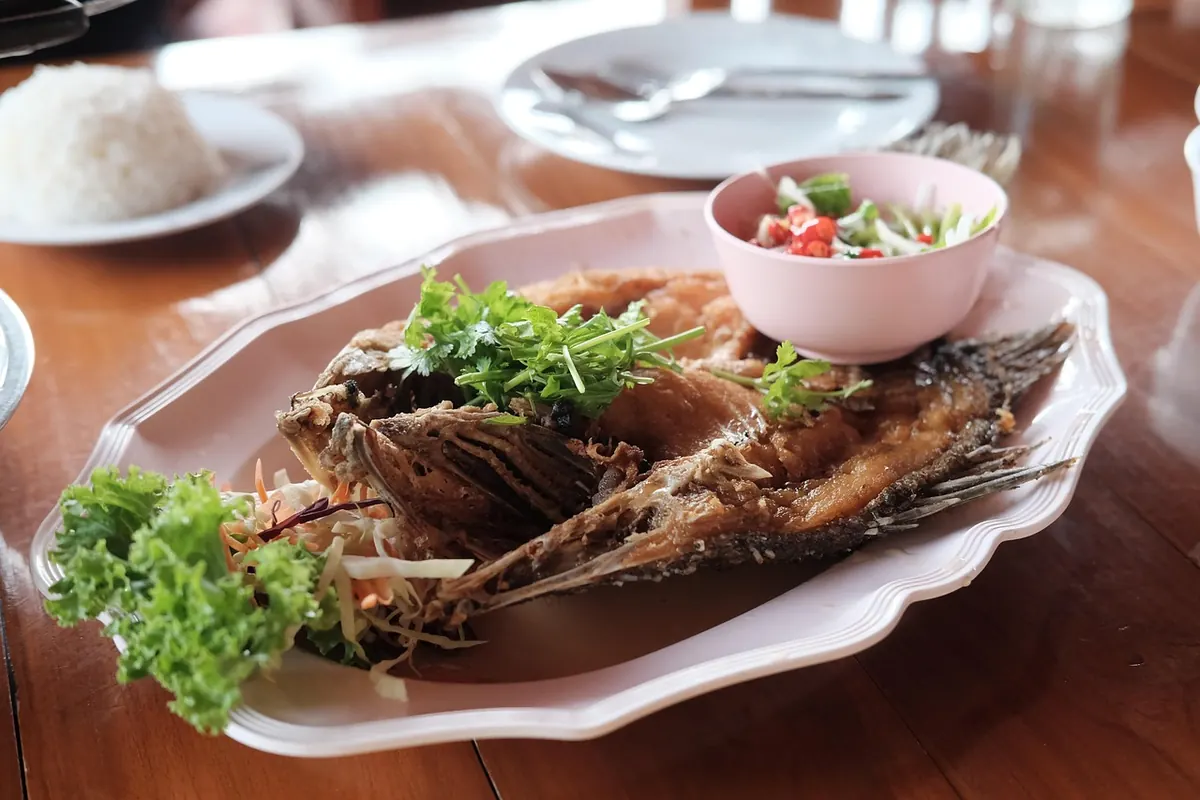
Photo: minipukkik / Pixabay